Gate Valves
Full-bore isolation valves. Wedge gate valves for clean water, lever-operated knife gate valves for slurry, solids and wastewater.
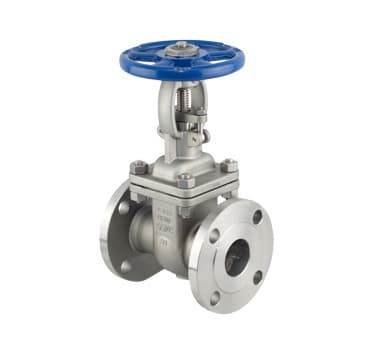
Gate Valve - CF8M 316SS - ANSI 150LB
Gate Valve - CF8M 316SS - ANSI 150LB
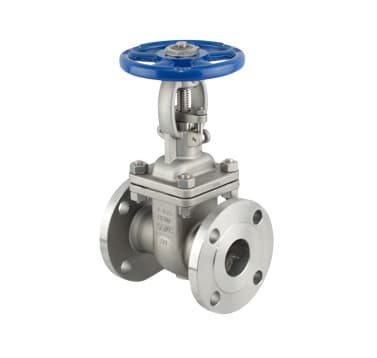
Gate Valve - CF8M 316SS - Table E
Gate Valve - CF8M 316SS - Table E
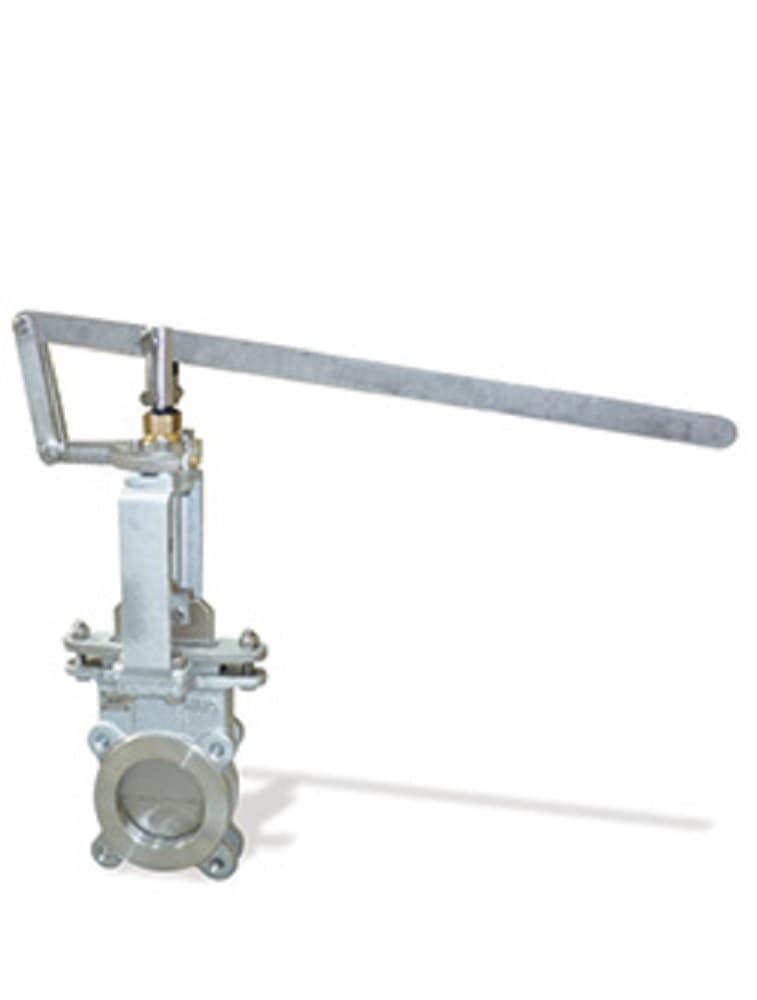
Lever Operated Knife Gate Valve - 316SS Metal Seat
Lever Operated Knife Gate Valve - 316SS Metal Seat
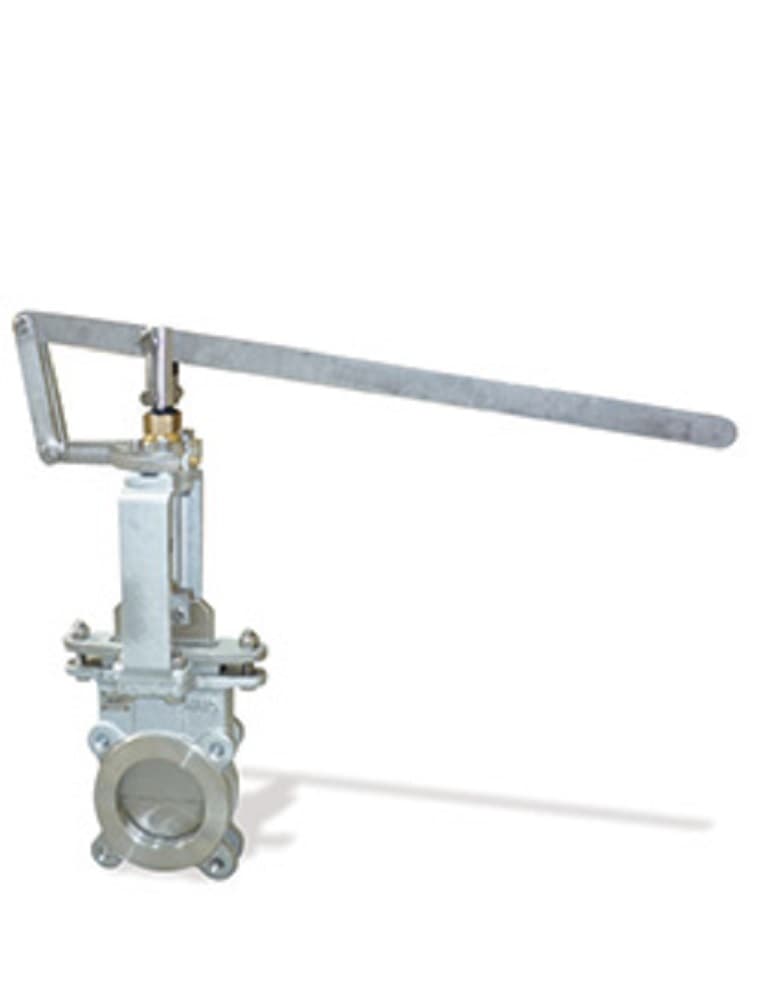
Lever Operated Knife Gate Valve - 316SS Resilient
Lever Operated Knife Gate Valve - 316SS Resilient
About Gate Valves
A gate valve lifts a flat gate straight up out of the flow. Fully open, the bore is completely clear: no disc, no ball, nothing in the stream, so pressure drop is close to zero and a pig or a brush will pass straight through. That clear bore is the whole reason to choose one over a butterfly valve. The cost is size, weight and the number of turns it takes to operate, which is why gate valves are an isolation device and not a control device.
Applications
Key Features
- ✓Full bore, effectively zero pressure drop when open
- ✓Wedge gate valves for clean water isolation
- ✓Knife gate valves that cut through solids and fibre
- ✓CF8M 316 stainless steel bodies
- ✓Resilient (EPDM) or metal seated knife gates
- ✓Lever operated for fast shut-to-open
- ✓ANSI 150lb and AS2129 Table E flanging
Gate Valves vs Knife Gate Valves
Gate Valves (Wedge)
Traditional gate valves use a wedge-shaped disc that lowers into the flow path. Best for clean water service where a tight seal is required.
- • Resilient seated for bubble-tight shutoff
- • Non-rising stem for underground install
- • Ductile iron or stainless steel body
- • Water distribution, fire protection
Knife Gate Valves
Knife gate valves use a thin blade that slices through the media. Designed for slurry, solids, pulp, and wastewater where a shearing action is needed.
- • Cuts through solids and fibrous media
- • Lever operated for quick manual control
- • 316 stainless steel construction
- • Metal or EPDM resilient seated
Choosing the Right Valve
Use a Gate Valve when:
- • Clean water or liquid service
- • Underground or buried installations
- • Bubble-tight shutoff required
- • Water mains, fire systems, irrigation
Use a Knife Gate Valve when:
- • Slurry, solids, or fibrous media
- • Wastewater or sewage
- • Frequent manual operation needed
- • Mining, pulp & paper, food processing
Wedge gate or knife gate
A wedge gate valve drives a tapered gate down into matching seats, and the wedging action is what gives it a tight shutoff. It's built for clean liquid service: water mains, fire systems, irrigation, anywhere you need positive isolation and a clear bore. We supply it as a CF8M 316 stainless body in ANSI 150lb and Table E.
A knife gate valve uses a thin, sharp-edged blade that slices down through whatever is in the line. That matters because solids, fibre and slurry will sit on a wedge seat and stop it closing, where a knife gate simply cuts through and shears the material off at the seat. It's the correct valve for wastewater, mining slurry, pulp and anything fibrous.
Picking a wedge gate for slurry service is a common and expensive mistake. It will appear to work, then fail to seal as solids build on the seat, and the symptom (a valve that no longer shuts off) looks like a faulty valve rather than the wrong valve.
Metal seated or resilient seated
Our lever-operated knife gates come both ways. The resilient seated version uses an EPDM seat for a tight shutoff and is rated 0 to 10 bar, lugged to AS2129 Table E. The metal seated version is 316 on 316: it won't seal quite as tightly, but there's no elastomer in the line to be cut, abraded or attacked, so it lasts longer on sharp, hot or chemically aggressive media.
The rule of thumb is simple. If you need a tight shutoff and the media is reasonable, take resilient. If the media is abrasive or aggressive and you can live with a small amount of seat leakage, take metal and get the service life instead.
Operating them, and what the lever means
A handwheel gate valve takes many turns to go from shut to open, which is deliberate: opening it slowly is what stops a pressure surge. The lever operation on our knife gates trades that for speed, giving you shut-to-open in one movement, which is what you want on a line that's isolated and reopened often rather than one that sits in position for years.
Gate valves are isolation devices: run them fully open or fully shut. Holding one part-open puts the gate edge in a high-velocity stream and erodes both the gate and the seats, and on a wedge gate it can also chatter the gate against the body. If you need to regulate flow rather than stop it, a butterfly valve is the right tool.
Gate Valves Specifications
| Types | Wedge gate valve and lever-operated knife gate valve |
|---|---|
| Body material | CF8M 316 stainless steel |
| Wedge gate flanging | ANSI 150lb and AS2129 Table E |
| Knife gate, resilient seated | 316/EPDM, 0 to 10 bar, lugged AS2129 Table E |
| Knife gate, metal seated | 316/316, for abrasive and aggressive media |
| Operation | Lever operated on the knife gate range |
| Bore | Full bore, unobstructed when fully open |
Figures shown against a named product belong to that product. Tell us your line size, pressure and operating temperature and we will confirm what suits the duty.
Who selects these valves
Kris McKeown, Director, Dewater Products. Over 12 years as a Mechanical Engineering Technician and more than 17 years in industrial sales. Kris sources and specifies the valve range directly with the manufacturers.
Dewater Products has supplied industrial fluid piping products Australia-wide from Perth since 2015, sourcing from over 20 approved manufacturers across 5 countries. If you are not sure which valve suits your duty, call 1300 271 290 and talk it through before you order.
Gate Valves FAQs
What's the difference between a gate valve and a knife gate valve?
A wedge gate valve drives a tapered gate into matching seats for a tight shutoff on clean liquid service. A knife gate uses a thin, sharp-edged blade that slices through whatever is in the line, so it handles slurry, solids and fibrous media that would sit on a wedge seat and stop it closing. Using a wedge gate on slurry is a common and expensive mistake.
Should I choose a metal seated or resilient seated knife gate?
Resilient seated uses an EPDM seat for a tight shutoff and is rated 0 to 10 bar. Metal seated is 316 on 316, so it won't seal quite as tightly but there's no elastomer in the line to be cut, abraded or chemically attacked. Take resilient when you need the tight shutoff, metal when the media is abrasive or aggressive and you want the service life.
Can a gate valve be used to control flow?
No. Gate valves are isolation devices and belong fully open or fully shut. Holding one part-open puts the gate edge in a high-velocity stream and erodes the gate and the seats. If you need to regulate flow rather than stop it, use a butterfly valve.
Why choose a gate valve over a butterfly valve?
For the clear bore. A gate valve fully open leaves nothing in the flow path, so pressure drop is close to zero and pigs or brushes pass straight through. A butterfly valve always has its disc in the stream. The gate valve costs you size, weight and operating turns in exchange.