Ball Valves
Quarter-turn isolation with a full bore through the ball. Flanged 316 stainless, plus 3-way T-port and L-port valves for diverting flow.
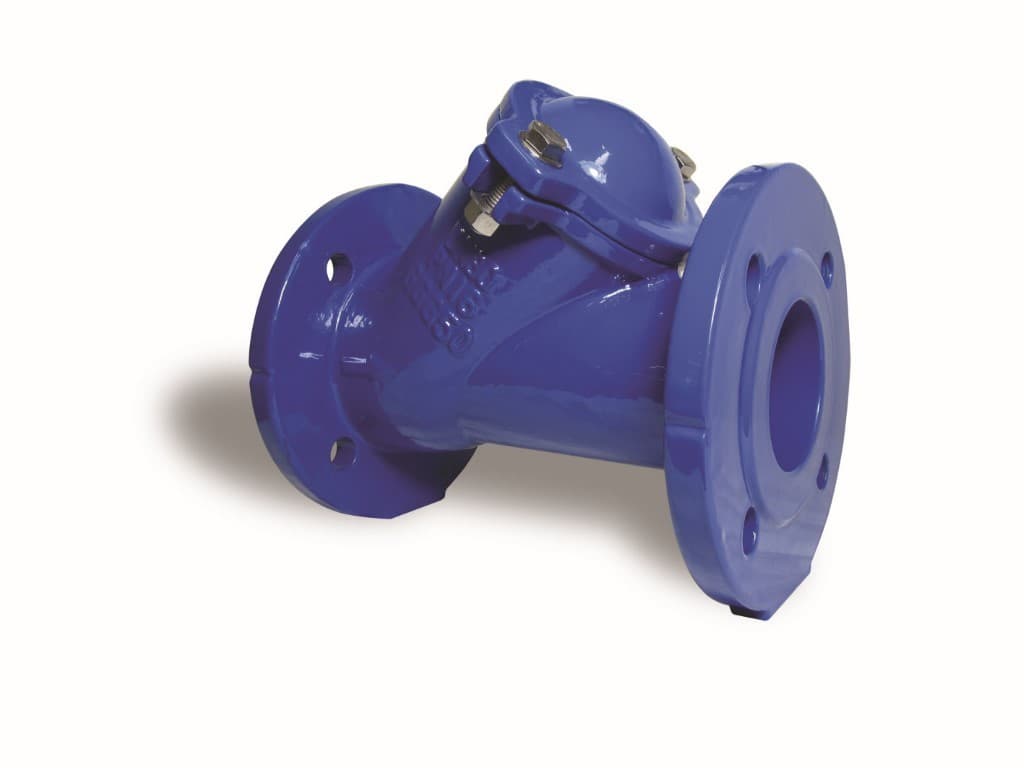
Ball Check Valve - Cast Iron FBE coated - Flanged
Ball Check Valve - Cast Iron FBE coated - Flanged
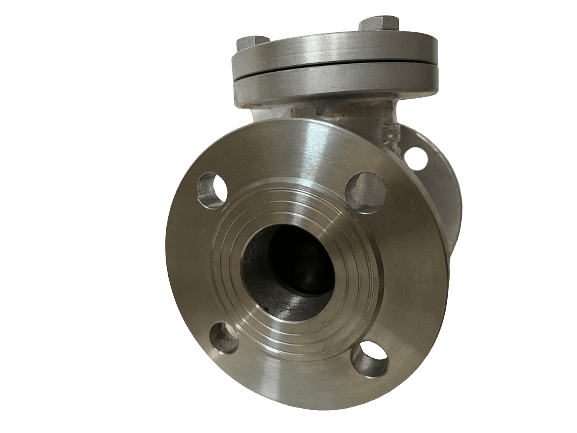
Ball Check Valve Duplex 2205 material
Ball Check Valve Duplex 2205 material
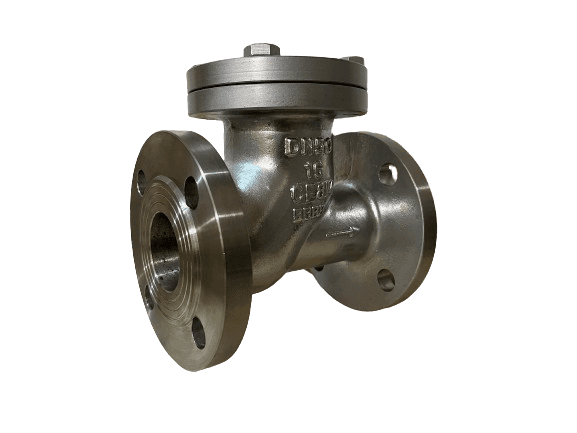
Ball Check Valve - Stainless Steel 316 - Flanged T
Ball Check Valve - Stainless Steel 316 - Flanged T
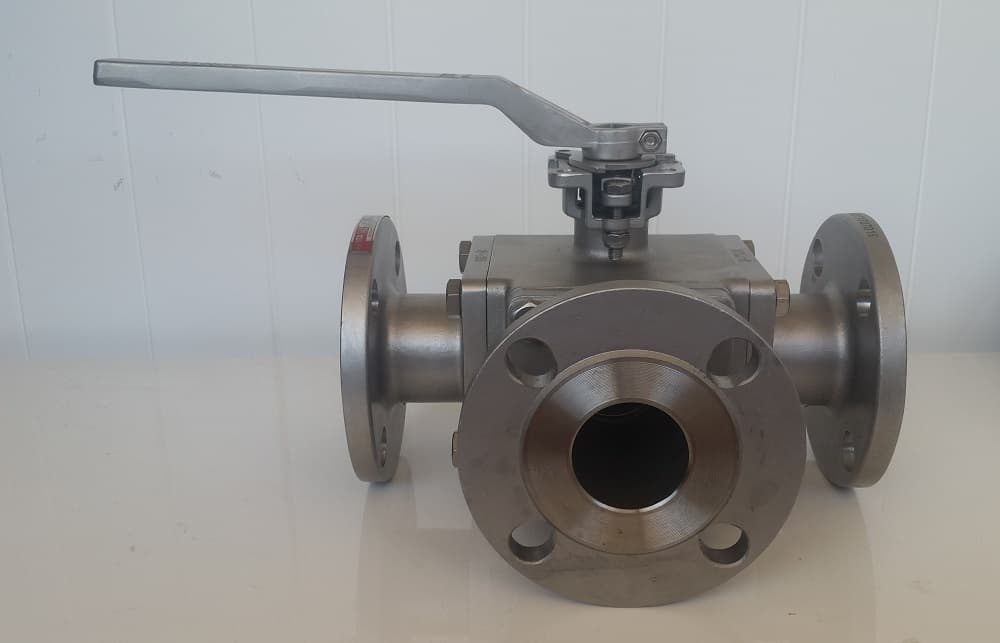
Ball Valve - 3 way T or L Port - 316 Stainless Ste
Ball Valve - 3 way T or L Port - 316 Stainless Ste
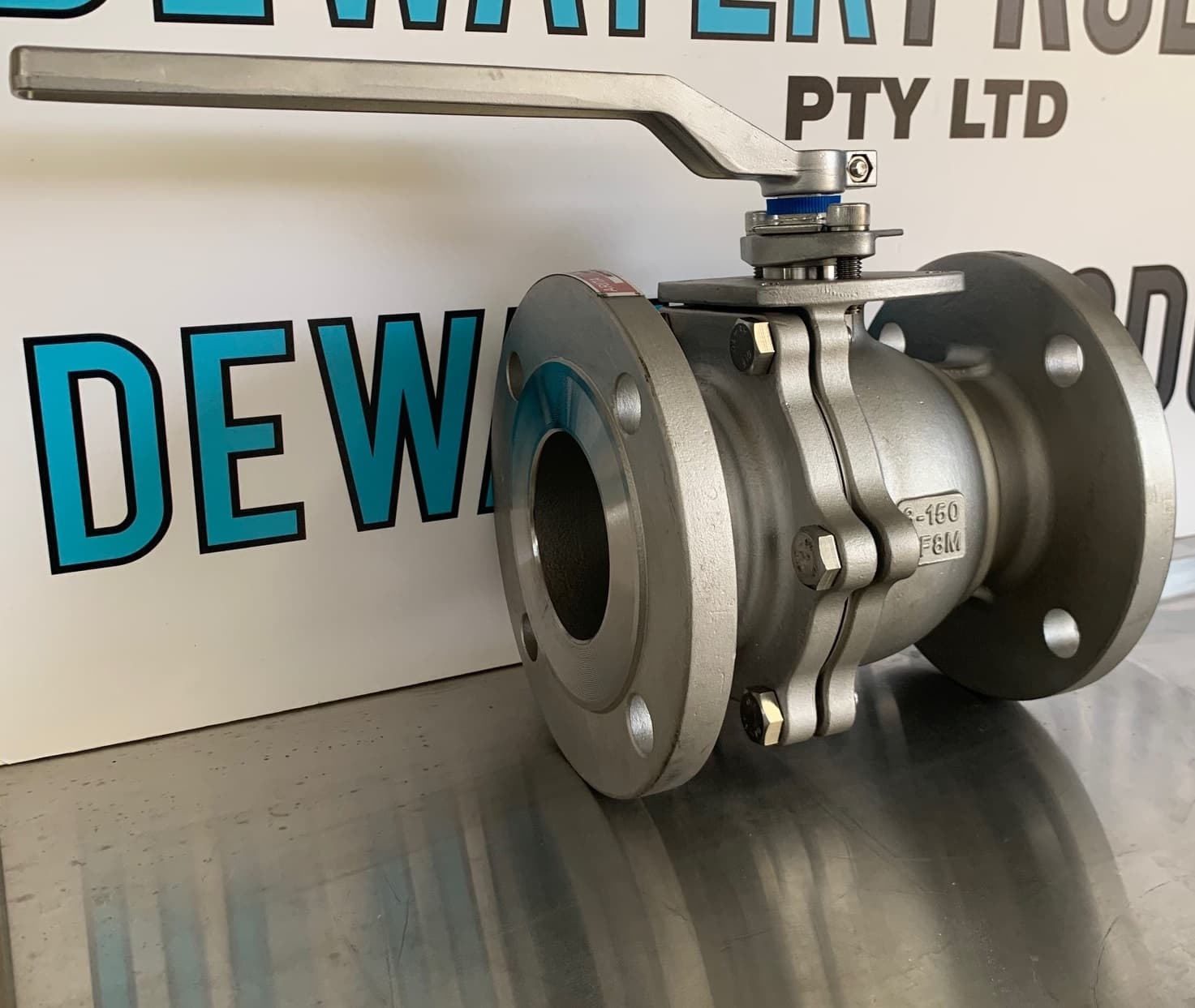
Ball Valve - Flanged ANSI 150LB
Ball Valve - Flanged ANSI 150LB
About Ball Valves
A ball valve is a drilled ball in a seat. A quarter turn lines the bore up with the pipe or takes it fully across, so the valve goes from wide open to tightly shut in one movement, and there's no part-open position worth using. A full bore ball valve open is effectively a piece of pipe: the bore through the ball matches the line, so pressure drop is negligible and nothing protrudes into the stream. For on/off duty where you want certainty and speed, it's the most reliable valve on the list.
Applications
Key Features
- ✓Quarter-turn, fully open to fully shut in one movement
- ✓Full bore, negligible pressure drop
- ✓316 stainless steel body with PTFE seats
- ✓Flanged ANSI 150lb
- ✓3-way T-port and L-port diverter valves
- ✓Lever position shows valve state at a glance
- ✓Suited to frequently operated isolation points
Why a ball valve over a gate valve
Both give you a clear bore when open, so the difference is how they operate and how they fail. A gate valve takes many turns and relies on a gate seating squarely; it's a long-life isolation valve that doesn't mind sitting untouched for years. A ball valve goes shut in a quarter turn, and you can see its state from across the plant by looking at the lever.
That visibility matters more than it sounds. On a line that's isolated for maintenance, a valve whose position you can read at a glance is a safety feature. It's also why ball valves are the standard choice at sample points, drain points and anywhere an operator works with the line regularly.
The flip side: that quarter turn can shut a flowing line almost instantly, and on a long run of liquid that's a textbook way to generate water hammer. Close them deliberately rather than snapping the lever over.
3-way valves: T-port and L-port
Our 3-way 316 stainless ball valve comes in T-port and L-port, and the two do genuinely different jobs. An L-port drills a right-angle passage through the ball, so it connects the inlet to one outlet or the other. That's a diverter: flow goes this way or that way, never both.
A T-port drills a T through the ball, which lets it connect two ports or all three at once. So as well as diverting, it can mix two inlets into one outlet, or feed two outlets simultaneously. If you need a straight either/or selection, L-port is simpler and harder to get wrong. If you need to combine flows or feed two lines together, it has to be T-port.
Getting this the wrong way round is the most common 3-way ordering error, and the valve has to come out to fix it. Tell us what you need the valve to do, in plain words, and we'll confirm the port arrangement before it ships.
Seats, and what sets the real limit
The body is 316 stainless and the seats are PTFE. On a ball valve the seat is almost always what sets the working limit, not the body: PTFE is chemically near-inert, which is why it's used, but it softens as temperature rises and its pressure capability falls with it. A rating quoted at ambient is not the rating at elevated temperature.
So when you enquire, give us the operating temperature alongside the pressure and the line size. On ordinary ambient water and process duty this never comes up. On hot service it's the number that decides whether the valve lasts.
Ball Valves Specifications
| Body material | 316 stainless steel |
|---|---|
| Seat material | PTFE |
| Bore | Full bore, quarter-turn operation |
| Flanged valve | Flanged ANSI 150lb |
| 3-way options | T-port (mix or divert) and L-port (divert only), 316 stainless |
| Operation | Lever, with visible open/shut position |
| Duty | On/off isolation, not flow regulation |
Figures shown against a named product belong to that product. Tell us your line size, pressure and operating temperature and we will confirm what suits the duty.
Who selects these valves
Kris McKeown, Director, Dewater Products. Over 12 years as a Mechanical Engineering Technician and more than 17 years in industrial sales. Kris sources and specifies the valve range directly with the manufacturers.
Dewater Products has supplied industrial fluid piping products Australia-wide from Perth since 2015, sourcing from over 20 approved manufacturers across 5 countries. If you are not sure which valve suits your duty, call 1300 271 290 and talk it through before you order.
Ball Valves FAQs
What's the difference between a T-port and an L-port 3-way ball valve?
An L-port drills a right-angle passage through the ball, so it connects the inlet to one outlet or the other and can only divert. A T-port drills a T, so it can connect two ports or all three at once, which lets it mix two inlets into one outlet or feed two outlets together. If you need a straight either/or selection, L-port is simpler. If you need to combine flows, it has to be T-port.
Should I use a ball valve or a gate valve?
Both give a clear bore when open. Choose a ball valve where the line is isolated and reopened regularly: it shuts in a quarter turn and the lever shows its state at a glance, which is a genuine safety benefit at drain, sample and maintenance isolation points. Choose a gate valve for isolation that sits untouched for long periods.
Can I use a ball valve to throttle flow?
No. Held part-open, the edge of the ball bore sits in a high-velocity stream and erodes both the ball and the PTFE seats, which then leak when you do shut it. Ball valves are on/off devices. Use a butterfly valve if you need to regulate flow.
What limits the temperature a ball valve can handle?
The PTFE seats, not the stainless body. PTFE is chemically near-inert but it softens as temperature rises and its pressure capability falls with it, so a rating quoted at ambient isn't the rating at elevated temperature. Give us the operating temperature along with the pressure and line size and we'll confirm what's suitable.