Foot Valves for Water Pumps
A non-return valve with a built-in strainer for the bottom of a suction line. Holds the prime when the pump stops, so it doesn't need repriming on restart.
About Foot Valves
A foot valve does two jobs at the bottom of a pump suction line. It's a check valve, so when the pump stops it holds the water column in the suction pipe instead of letting it drain back to the source, which means the pump restarts primed rather than dry. And it's a strainer, so the leaves, grit and debris that would destroy an impeller never get into the line in the first place. On any suction lift installation it's the component that decides whether the pump starts reliably or needs attention every time.
Key Features
- ✓Holds the prime, no repriming on restart
- ✓Integrated strainer protects the impeller
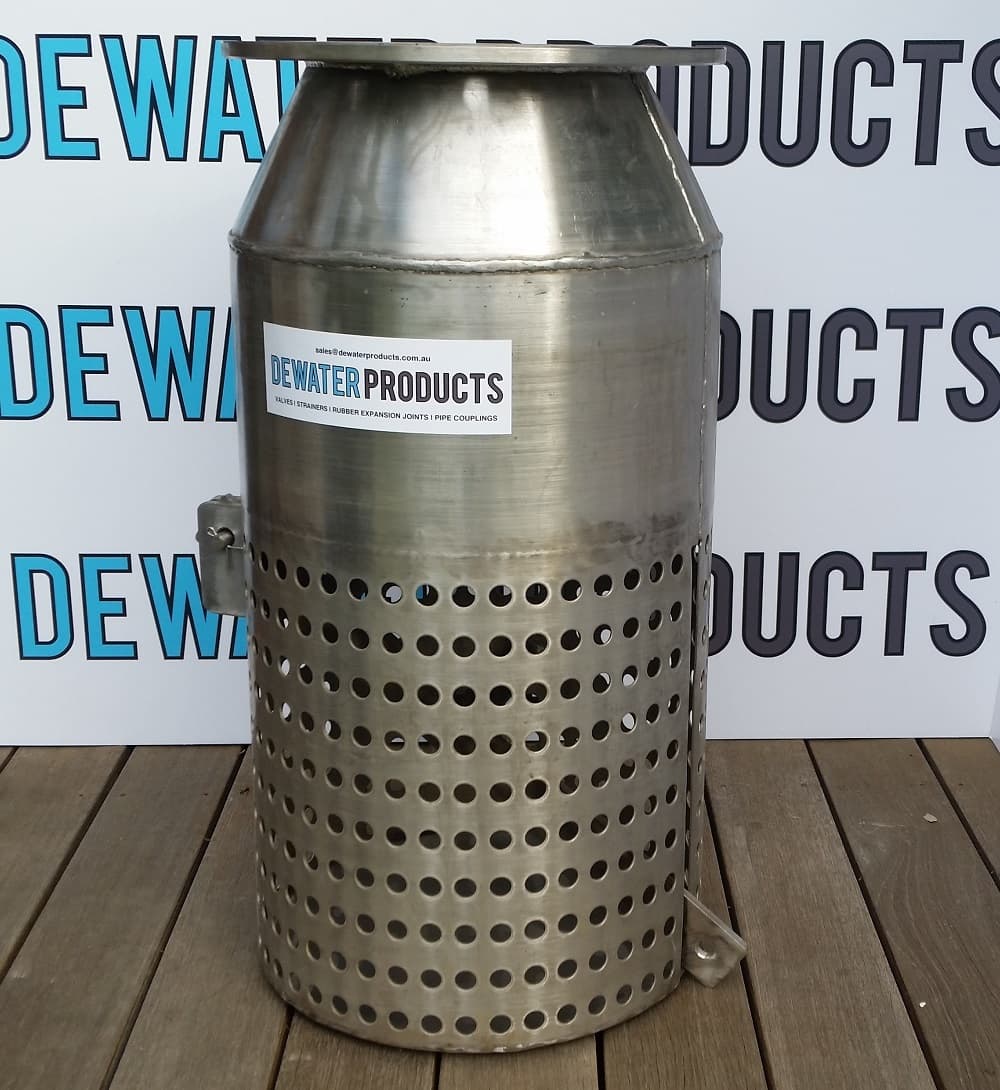
- ✓316 stainless for corrosive, saline and bore water
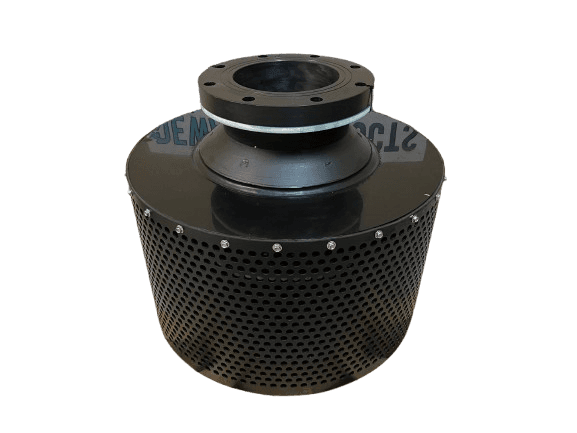
- ✓HDPE for light weight and total corrosion immunity
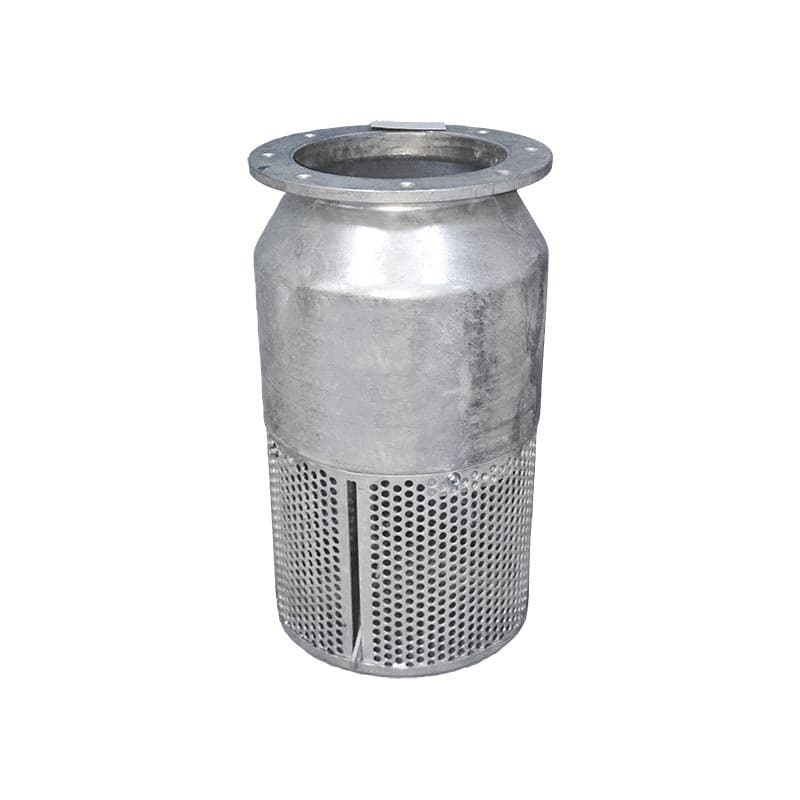
- ✓Galvanised for general water service
- ✓Table D and Table E flanged connections
- ✓EPDM and NBR seal options
Why losing prime matters more than it sounds
A centrifugal pump can't pull air. If the suction line drains back while the pump is stopped, the pump restarts with a column of air it cannot move, and it will sit there running against nothing. On an attended installation that means somebody reprimes it. On an unattended one, a bore pump, an irrigation set, a dewatering pump on a site over a weekend, it means the pump runs dry, and running dry destroys seals and bearings in minutes.
A working foot valve removes that whole failure mode. It's also why a foot valve that is seeping rather than sealing is worth replacing early: the symptom is a pump that needs repriming more often, and it's easy to blame the pump.
Choosing the material for the water
We supply three bodies and they suit genuinely different installations. 316 stainless, flanged Table D, is the long-service option and the one for corrosive, saline or bore water where the valve may sit submerged and out of reach for years. HDPE, flanged Table E, is light, immune to corrosion outright, and the sensible choice where the valve gets moved around or where weight on the end of a suction hose matters. Galvanised is the economy option for general water service.
The thing worth thinking about is access. A foot valve usually sits at the bottom of a wet well, a dam or a bore, which is the hardest place on the installation to reach. Specifying the cheaper body saves money once and costs it every time somebody has to pull the suction line to service a corroded valve.
Sizing and the strainer screen
A foot valve restricts the suction line, and the suction side is where a pump has the least margin to give. Pressure loss across the valve and its screen comes directly off your available net positive suction head, and when that margin disappears the pump cavitates and damages itself. So a foot valve is sized on open area rather than simply matched to the pipe, which is why it's physically bigger than the line it serves.
The screen should be coarse enough to pass normal silt and fine enough to stop what would damage the impeller. Blinding is the practical failure: a screen too fine, or one sitting too close to the bottom of a dam, clogs with weed and silt and starves the pump just as effectively as a blockage. Keep the valve clear of the floor, and tell us the flow rate and what's in the water when you order so we can size the open area properly.
Foot Valves Specifications
| Function | Non-return valve with integrated strainer screen |
|---|---|
| Body materials | 316 stainless steel, HDPE and galvanised steel |
| 316 stainless | Flanged AS2129 Table D |
| HDPE | Flanged AS2129 Table E |
| Seal materials | EPDM and NBR |
| Position | Bottom of the pump suction line, submerged |
| Sizing basis | Open screen area, to protect net positive suction head |
Figures shown against a named product belong to that product. Tell us your line size, pressure and operating temperature and we will confirm what suits the duty.
Who selects these valves
Kris McKeown, Director, Dewater Products. Over 12 years as a Mechanical Engineering Technician and more than 17 years in industrial sales. Kris sources and specifies the valve range directly with the manufacturers.
Dewater Products has supplied industrial fluid piping products Australia-wide from Perth since 2015, sourcing from over 20 approved manufacturers across 5 countries. If you are not sure which valve suits your duty, call 1300 271 290 and talk it through before you order.
Foot Valves FAQs
What does a foot valve actually do?
Two things, at the bottom of a pump suction line. As a check valve it holds the water column in the suction pipe when the pump stops, so the pump restarts primed instead of dry. As a strainer it keeps leaves, grit and debris out of the line so they never reach the impeller.
Which foot valve material should I choose?
316 stainless (flanged Table D) for corrosive, saline or bore water and anywhere the valve will sit submerged and unreachable for years. HDPE (flanged Table E) where weight matters or the valve gets moved, since it can't corrode at all. Galvanised as the economy option for general water service. Remember a foot valve sits in the hardest place on the installation to reach, so the cheaper body saves money once and costs it at every service.
My pump keeps losing prime. Is the foot valve the problem?
Usually, yes. A foot valve that seeps rather than seals lets the suction line drain back while the pump is stopped, and the symptom is a pump needing repriming more and more often. It's easy to blame the pump. Seeping is also a reason to replace early rather than wait, because an unattended pump that restarts dry destroys seals and bearings in minutes.
What size foot valve do I need?
Size it on open area, not just on the pipe bore. Pressure loss across the valve and its screen comes straight off your available net positive suction head, and when that margin goes the pump cavitates. That's why a foot valve is physically bigger than the line it serves. Send us the flow rate, the suction line size and what's in the water and we'll size it properly.